

In the realm of architecture and building, the connection between aesthetic and practicality is crucial. Construction is not merely about creating structures; it is an art form that requires a fine balance between visual attractiveness and practical use. As the skyline evolves and new materials and innovations emerge, the focus on integrating beauty with utility has never been more important.
Every construction project begins with a concept, inspiring architects and builders to create spaces that are not only visually striking but also serve the varied requirements of their inhabitants. From residential homes to monumental civic buildings, the ability to harmonize structure with utility transforms ordinary structures into remarkable experiences. As we explore deeper into this complex dance of design and functionality, it becomes evident that effective construction is a reflection to meticulous design, creativity, and a deep understanding of human needs.
Construction Principles in Building
Effective construction begins with comprehending and utilizing fundamental design principles that combine aesthetics with practicality. A well-defined concept should focus on the requirements of the users while ensuring that the structure fits seamlessly with its environment. Factors such as scale, ratio, and equilibrium play a crucial role in guiding the overall shape and function of the building, resulting in spaces that are not only visually appealing but also pleasant and effective for inhabitants.
Another important principle is the evaluation of materials and their characteristics. The choice of materials can significantly influence both the aesthetic and practical aspects of a structure. Selecting sustainable, durable, and suitable materials ensures longevity and reduces environmental impact, enhancing the overall value of the construction. Moreover, understanding the local context and climate allows architects and builders to make knowledgeable decisions about which materials to use, creating structures that are energy-efficient and fit for their surroundings.
Ultimately, flexibility in design is crucial to accommodate changing needs over time. click for more that allows for subsequent modifications can significantly extend its duration and usability. Adding features such as movable walls or adaptable spaces ensures that buildings can evolve alongside their users, preserving their relevance and functionality. By embracing these design principles, construction professionals can create spaces that genuinely meet the demands of modern living while fostering a balanced relationship between design and functionality.
Balancing Aesthetics and Utility
In the world of building, the balance between beauty and functionality plays a essential role in the positive completion of each project. Architects and builders must think about how a structure looks while ensuring it meets the functional needs of its users. A aesthetically pleasing design can enhance the overall experience of a setting, but it must never sacrifice functionality. Thoughtful design takes into account not just the beauty of the exterior, but also the material selection, configuration, and environmental factors that contribute to the building's performance.
Achieving this balance requires cooperation between various experts, including designers, engineers, and decorators. An interdisciplinary approach allows for innovative solutions that blend form and function harmoniously. For instance, the selection of building materials can affect both the look and the strength of a structure. Eco-friendly materials can provide an visually striking aesthetic while promoting energy efficiency and minimizing ecological footprint. When each design element is thoughtfully examined, it results in spaces that are not only pleasing to the eye but also fulfill their intended function efficiently.
Ultimately, the goal of merging aesthetics with utility in construction is to establish environments that enhance living standards. A well-designed structure can foster social gatherings, provide comfort, and inspire innovation. By valuing both beauty and functionality, builders can contribute to a built environment that resonates with people on various levels, thus ensuring that each construction project is both a functional space and a piece of art.
Groundbreaking Substances and Approaches
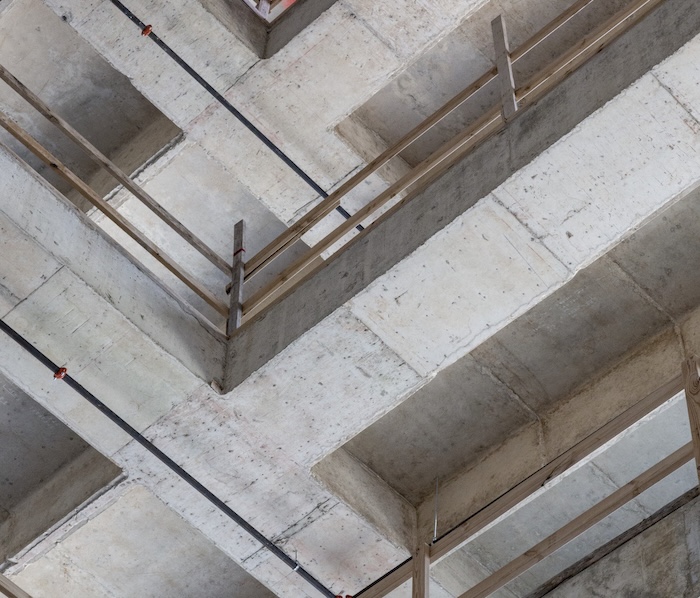
The building industry is persistently changing, with cutting-edge materials reshaping the way edifices are constructed. One remarkable innovation is the use of sustainable resources, such as reclaimed wood and recycled steel. These eco-friendly alternatives not only minimize environmental impact but also provide long-lasting quality and robustness. As urban areas face the difficulty of sustainability, integrating these alternative resources allows for greener erection practices that align with modern architectural values.
Beyond materials, new techniques such as sectional erection are revolutionizing how we execute erection tasks. By prefabricating components of a structure off-site, workers can optimize the construction procedure, lowering time and workforce costs. Moreover, prefabricated construction enhances accurate manufacturing, which minimizes waste and enhances standards. As this method earns popularity, it opens up opportunities for quicker and more efficient tasks while maintaining superior levels of aesthetic and functionality.
Technological and scientific advancements further support these cutting-edge materials and techniques. The utilization of BIM allows architects and builders to collaborate seamlessly throughout the building lifecycle. This system promotes a more thorough grasp of the building, enabling better problem-solving and allocation. As construction continues to adjust to these innovations, the industry is poised to create structures that are not only practical but also visually appealing and sustainably responsible.